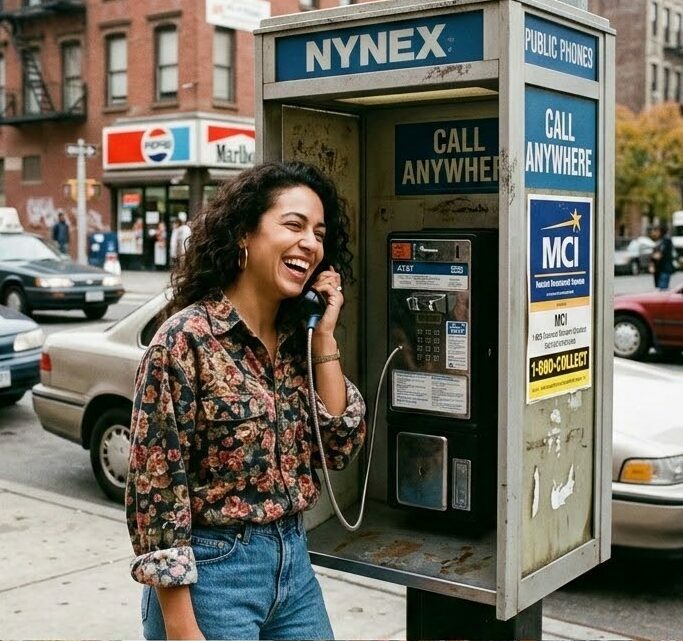
For many young adults today, online dating has always existed.
The idea of meeting someone without a smartphone, exchanging dozens of messages, or swiping through hundreds of profiles can seem almost unimaginable.
Yet only a few decades ago, this was the norm.
Long before algorithms suggested compatible matches and dating apps promised unlimited choice, people found relationships through everyday life. It wasn’t necessarily easier, nor was it always more romantic. It was simply different.
Looking back at how people dated in the 1990s and the early 2000s helps explain why modern dating feels both more convenient and, in many cases, more complicated.
The 1990s: Meeting Through Everyday Life
In the 1990s, most relationships began through existing social circles.
People met at:
- School or university
- Work
- Parties
- Bars and clubs
- Sports teams
- Churches
- Community organizations
- Friends of friends
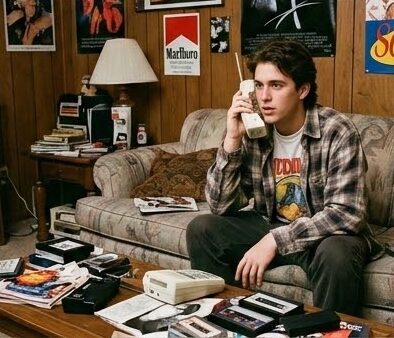
Your social network acted as your dating algorithm.
If someone introduced you to a new person, there was often an unspoken layer of trust because you already shared mutual connections.
Reputation mattered.
If someone treated people poorly, word spread quickly.
Unlike today, disappearing and starting over with a new profile wasn’t an option.
Asking Someone Out Took Courage
Without messaging apps, expressing romantic interest usually meant doing it in person.
There was no carefully edited text.
No deleting and rewriting messages.
No waiting hours to decide whether to reply.
You had to approach someone directly.
Rejection happened face to face.
Although intimidating, this also created clarity.
You generally knew where you stood.
The Telephone Era
If someone gave you their number, it was usually their home phone.
Calling meant accepting that:
- A parent might answer.
- A roommate might answer.
- Siblings might answer.
Many people still remember the nervous feeling of asking:
“Hi… is Sarah home?”
Phone conversations became an important part of early relationships.
People spent hours talking because texting simply wasn’t available.
Dating Required Planning
Spontaneity looked very different.
There were no live locations.
No instant messaging.
No “Running 10 minutes late” texts.
If you agreed to meet someone at 7 p.m., you simply showed up.
Reliability mattered.
Being dependable became an attractive quality because communication options were limited.
The Early Internet Changes Everything
By the late 1990s and early 2000s, the internet began reshaping dating.
People started meeting through:
- Chat rooms
- Online forums
- Interest-based communities
- Early dating websites
Instead of browsing photos, users often connected through conversation first.
Many online friendships eventually became real relationships.
It was a slower process than modern dating apps but often involved getting to know someone’s personality before judging their appearance.
The Rise of Dating Websites
Around the turn of the century, dedicated dating websites became increasingly popular.
Unlike today’s swipe-based apps, users typically created detailed profiles.
Profiles included:
- Personal interests
- Hobbies
- Career information
- Relationship goals
- Long written descriptions
Reading someone’s profile required effort.
Writing one required even more.
Matching was less about making split-second decisions and more about discovering compatibility.
Early Mobile Phones
By the early 2000s, mobile phones became increasingly common.
Text messaging transformed dating.
People no longer had to wait until they got home to communicate.
Still, texting remained relatively limited.
Messages were shorter.
Unlimited texting plans weren’t universal.
Phone calls remained an essential part of relationships.
Dating Before Social Media
One of the biggest differences between then and now was the absence of social media.
When meeting someone new, you couldn’t instantly:
- View hundreds of photos
- Read years of posts
- Discover mutual friends online
- Learn their political opinions
- Analyze who liked their latest picture
People discovered each other gradually.
Mystery was part of the dating process.
Today’s couples often know an incredible amount about each other before the first date even begins.
Was Dating Better?
Many people nostalgically describe pre-app dating as simpler.
Others remember it as frustrating.
The truth lies somewhere in between.
Meeting new people required more effort.
If you lived in a small town, your dating pool was naturally limited.
Long-distance relationships were more difficult to maintain.
Finding someone compatible could take months or years.
Modern dating solved many of these problems.
Today, users have access to thousands of potential matches.
People with niche interests can find like-minded partners.
International relationships have become far more common.
Technology has expanded opportunity.
What We Lost
While technology increased convenience, something else changed.
Choice became abundance.
Abundance became overload.
Instead of wondering whether you would meet someone new this month, many people now wonder whether someone even better is only one swipe away.
This abundance can create hesitation.
People postpone decisions.
Conversations remain superficial.
Connections become easier to start but harder to sustain.
What We Gained
Despite the criticism often directed at dating apps, they have created opportunities that simply did not exist thirty years ago.
Millions of successful couples have met online.
People living in rural areas can connect with partners they would never have encountered otherwise.
Busy professionals can date despite demanding schedules.
Individuals from marginalized communities can more easily find people who share similar experiences and values.
Technology has expanded access in remarkable ways.
The Next Evolution
The future of dating may not involve returning to the past.
Nor is it likely to remain exactly as it is today.
Instead, the industry appears to be searching for balance.
Many platforms are experimenting with:
- Video introductions
- Identity verification
- Real-world events
- Speed dating
- Group activities
These features combine the convenience of technology with the authenticity of face-to-face interaction.
In many ways, the industry is rediscovering something people in the 1990s already understood.
Real connection rarely begins with perfect photos.
It begins with genuine conversation.